A content-based dataset recommendation system for researchers-a case study on Gene Expression Omnibus (GEO) repository

A content-based dataset recommendation system for researchers-a case study on Gene Expression Omnibus (GEO) repository

It is a rising development amongst researchers to make their knowledge publicly obtainable for experimental reproducibility and knowledge reusability. Sharing knowledge with fellow researchers helps in growing the visibility of the work. On the opposite hand, there are researchers who’re inhibited by the shortage of knowledge sources. To overcome this problem, many repositories and data bases have been established to this point to ease knowledge sharing. Further, prior to now 20 years, there was an exponential enhance within the variety of datasets added to those dataset repositories.

However, most of those repositories are domain-specific, and none of them can advocate datasets to researchers/customers. Naturally, it’s difficult for a researcher to maintain monitor of all of the related repositories for potential use. Thus, a dataset recommender system that recommends datasets to a researcher primarily based on earlier publications can improve their productiveness and expedite additional analysis. The potential to focus onto subnetworks, a number of visualizations and simulation choices will allow the AMD analysis neighborhood to computationally mannequin subnetworks or to check experimentally new hypotheses arising from connectivities in the AMD pathway map.

This work adopts an info retrieval (IR) paradigm for dataset recommendation. We hypothesize that two elementary variations exist between dataset recommendation and PubMed-style biomedical IR past the corpus. First, as an alternative of key phrases, the question is the researcher, embodied by his or her publications. Second, to filter the related datasets from non-relevant ones, researchers are higher represented by a set of pursuits, versus your entire physique of their analysis. This second strategy is applied utilizing a non-parametric clustering method.

These clusters are used to advocate datasets for every researcher utilizing the cosine similarity between the vector representations of publication clusters and datasets. The most normalized discounted cumulative acquire at 10 (NDCG@10), precision at 10 (p@10) partial and p@10 strict of 0.89, 0.78 and 0.61, respectively, have been obtained utilizing the proposed methodology after handbook analysis by 5 researchers. As per one of the best of our data, that is the primary study of its variety on content-based dataset recommendation.

Cancer PRSweb: An Online Repository with Polygenic Risk Scores for Major Cancer Traits and Their Evaluation in Two Independent Biobanks

To facilitate scientific collaboration on polygenic threat scores (PRSs) analysis, we created an intensive PRS on-line repository for 35 frequent most cancers traits integrating freely obtainable genome-wide affiliation research (GWASs) abstract statistics from three sources: printed GWASs, the NHGRI-EBI GWAS Catalog, and UK Biobank-based GWASs. Our framework condenses these abstract statistics into PRSs utilizing varied approaches comparable to linkage disequilibrium pruning/p worth thresholding (mounted or data-adaptively optimized thresholds) and penalized, genome-wide impact dimension weighting.
We evaluated the PRSs in two biobanks: the Michigan Genomics Initiative (MGI), a longitudinal biorepository effort at Michigan Medicine, and the population-based UK Biobank (UKB). For every PRS assemble, we offer measures on predictive efficiency and discrimination. Besides PRS analysis, the Cancer-PRSweb platform options assemble downloads and phenome-wide PRS affiliation study outcomes (PRS-PheWAS) for predictive PRSs. We count on this built-in platform to speed up PRS-related most cancers analysis.
This multicenter, double-blind, randomized, placebo-controlled study enrolled sufferers ≥ 18 years with lively SLE and reasonable to extreme rash and/or arthritis regardless of steady glucocorticoid doses (7.5-30 mg/day prednisone equal) and antimalarials for ≥ Four weeks and/or immunosuppressants for ≥ eight weeks earlier than screening. Stable glucocorticoid doses have been required by way of week 16 with optionally available taper from weeks 16 to 24.
Patients have been randomized (1:1) to 80 U RCI subcutaneously or placebo each different day to week 4, then twice weekly to week 24. Endpoints included the proportion of SLE Responder Index (SRI)-Four responders at week 16; modifications from baseline to week 16 in 28 Swollen Joint Count/Tender Joint Count (28 SJC/TJC) and Cutaneous Lupus Erythematosus Disease Area and Severity Index (CLASI)-Activity rating; and modifications from baseline to week 24 in inflammatory cytokines. Safety was assessed by antagonistic occasions.
A content-based dataset recommendation system for researchers-a case study on Gene Expression Omnibus (GEO) repository

Advancing COVID-19 differentiation with a sturdy preprocessing and integration of multi-institutional open-repository laptop tomography datasets for deep studying evaluation

The coronavirus pandemic and its unprecedented penalties globally has spurred the curiosity of the synthetic intelligence analysis neighborhood. A plethora of printed research have investigated the position of imaging comparable to chest X-rays and laptop tomography in coronavirus illness 2019 (COVID-19) automated analysis. Οpen repositories of medical imaging knowledge can play a big position by selling cooperation amongst institutes in a world-wide scale. However, they might induce limitations associated to variable knowledge high quality and intrinsic variations because of the huge number of scanner distributors and imaging parameters.

In this study, a state-of-the-art customized U-Net mannequin is offered with a cube similarity coefficient efficiency of 99.6% together with a switch studying VGG-19 primarily based mannequin for COVID-19 versus pneumonia differentiation exhibiting an space underneath curve of 96.1%. The above was considerably improved over the baseline mannequin skilled with no segmentation in chosen tomographic slices of the identical dataset. The offered study highlights the significance of a sturdy preprocessing protocol for picture evaluation inside a heterogeneous imaging dataset and assesses the potential diagnostic worth of the offered COVID-19 mannequin by evaluating its efficiency to the state-of-the-art. Health-related knowledge is saved in various repositories which can be managed and managed by completely different entities.

Purified Chicken IgY Isotype Control

E16FCCU013-025 25 μl
EUR 541.67
Description: Available in various conjugation types.

Chicken IgY Isotype Control Antibody

MBS1564106-01mg 0.1mg
EUR 340

Chicken IgY Isotype Control Antibody

MBS1564106-5x01mg 5x0.1mg
EUR 1235

IgY, Chicken Isotype Control (HRP)

MBS655648-1mL 1mL
EUR 375

IgY, Chicken Isotype Control (HRP)

MBS655648-5x1mL 5x1mL
EUR 1530

Chicken IgG Fab fragment (isotype control, non-immune), purified

20010-Fab-1 0.5 mg
EUR 270

Chicken IgG-Fc unlabeled (isotype control, non-immune), purified

20010-3-UL 0.1 mg
EUR 242.4

Chicken IgG-HRP conjugate (isotype control, non-immune), purified

20010-1-HP 0.5 mg
EUR 270

Chicken IgG-FITC conjugate (isotype control, non-immune), purified

20010-1-F 0.5 mg
EUR 270

Chicken IgG-Biotin conjugate (isotype control, non-immune), purified

20010-1-B 0.5 mg
EUR 270

Chicken IgM-Biotin conjugate (isotype control, non-immune) purified

20010-2-1-b 0.1 mg
EUR 270

Chicken IgG-Fc-HRP conjugate (isotype control, non-immune), purified

20010-3-HP 0.1 mg
EUR 270

Chicken IgG-Fc-FITC conjugate (isotype control, non-immune), purified

20010-3-F 0.1 mg
EUR 270

Chicken IgG-Fc-Biotin conjugate (isotype control, non-immune), purified

20010-3-B 0.1 mg
EUR 270

Control Normal Chicken IgY

MBS153731-1mg 1mg
EUR 205

Control Normal Chicken IgY

MBS153731-5x1mg 5x1mg
EUR 900

Rat IgG-PE conjugate (isotype control) (Isotype control)

20005-PE 25 tests
EUR 242.4

Rat IgG-HRP conjugate (isotype control) (Isotype control)

20005-HP 100 ug
EUR 196.8

Rat IgG-FITC conjugate (isotype control) (Isotype control)

20005-F 100 ug
EUR 196.8

Rat IgG-Biotin conjugate (isotype control) (Isotype control)

20005-B 100 ug
EUR 196.8

Rabbit Isotype Control

abx200646-100ug 100 ug
EUR 393.6

Rabbit Isotype Control

IMN-001 100 µg
EUR 239.4

Rat IgM Isotype Control

GWB-A128B8 0.5 mg Ask for price

Rat IgM Isotype Control

GWB-A6187D 0.5 mg Ask for price

Rat IgG Isotype Control

GWB-D9CFB7 0.1 mg Ask for price

Rat IgM Isotype Control

GWB-AAC8DF 0.1 mg Ask for price

Rat IgG Isotype Control

GWB-B6F703 0.1 mg Ask for price

Rat IgG Isotype Control

GWB-F39C54 0.5 mg Ask for price

Rat IgG Isotype Control

GWB-F7A192 0.5 mg Ask for price

Rat IgM Isotype Control

GWB-BD20D2 0.1 mg Ask for price

Rat IgG Isotype Control

GWB-BEE47C 0.1 mg Ask for price

Rat IgG Isotype Control

GWB-CFDA81 0.1 mg Ask for price

Rat IgM Isotype Control

GWB-D02CC7 0.1 mg Ask for price

Rat IgG Isotype Control

GWB-4BFFB2 0.5 mg Ask for price

Rat IgM Isotype Control

GWB-58F247 0.1 mg Ask for price

Rat IgM Isotype Control

GWB-5EE54A 0.5 mg Ask for price

Rat IgM Isotype Control

GWB-649C16 0.5 mg Ask for price

Dog IgG Isotype Control

GWB-323C1E 5 mg Ask for price

Rat IgG Isotype Control

GWB-37FCE4 10 mg Ask for price

Rat IgM Isotype Control

GWB-73539C 0.5 mg Ask for price

Rat IgG Isotype Control

GWB-76BDF3 0.1 mg Ask for price

Rat IgG Isotype Control

GWB-787682 0.1 mg Ask for price

Rat IgG Isotype Control

GWB-7A6404 0.1 mg Ask for price

Rat IgG Isotype Control

GWB-1E8B74 0.1 mg Ask for price

Rat IgG Isotype Control

MBS537341-10mg 10mg
EUR 380

Rat IgG Isotype Control

MBS537341-5x10mg 5x10mg
EUR 1550

IgG, Rat Isotype Control

MBS655490-5mg 5mg
EUR 395

IgG, Rat Isotype Control

MBS655490-5x5mg 5x5mg
EUR 1630

IgM, Rat Isotype Control

MBS655629-05mg 0.5mg
EUR 450

IgM, Rat Isotype Control

MBS655629-5x05mg 5x0.5mg
EUR 1880

Rat IgM Isotype Control

RIGMA-100 100 µg
EUR 846.24

Rat IgM Isotype Control

RIGMB-200 200 µg
EUR 933.6

Rat IgM Isotype Control

RIGMB-50 50 µg
EUR 304.61

Rat IgM Isotype Control

RIGMF-200 200 µg
EUR 933.6

Rat IgM Isotype Control

RIGMF-50 50 µg
EUR 304.61

Rat IgM Isotype Control

RIGMPE-100 100 µg
EUR 549.22

Rat IgM Isotype Control

RIGMPE-25 25 µg
EUR 287.14

Rat IgM Isotype Control

RIGMPP5.5-25 25 µg
EUR 426.91

Rat IgM Isotype Control

RIGMPU-50 50 µg
EUR 217.25

Rat IgM Isotype Control

RIGMPU-500 500 µg
EUR 479.33

Rat IgG1 Isotype Control

ab-131-428 500 µg
EUR 290

Rat IgG1 Isotype Control

abx405020-05mg 0.5 mg
EUR 460.8

Rat IgG1 Isotype Control

abx405039-05mg 0.5 mg
EUR 460.8

Rat IgG1 Isotype Control

abx405039-100g 100 µg
EUR 275

Rat IgG1 Isotype Control

20-abx405041
  • Ask for price
  • Ask for price
  • 0.1 mg
  • 1 mg

Rat IgG1 Isotype Control

abx405041-100g 100 µg
EUR 200

Goat IgG Isotype Control

GWB-9C0B03 100 TESTS Ask for price

Rat IgG1 Isotype Control

GWB-DFED32 0.1 mg Ask for price

Goat IgG Isotype Control

GWB-E035B6 100 TESTS Ask for price

Goat IgG Isotype Control

GWB-B5EB81 100 TESTS Ask for price

Rat IgG1 Isotype Control

GWB-B963FB 0.5 mg Ask for price

Goat IgG Isotype Control

GWB-D15A0C 100 TESTS Ask for price

Rat IgG1 Isotype Control

GWB-472B42 0.1 mg Ask for price

Rat IgG1 Isotype Control

GWB-473962 0.1 mg Ask for price

Rat IgG1 Isotype Control

GWB-62835E 0.1 mg Ask for price

Rat IgG1 Isotype Control

GWB-655784 0.5 mg Ask for price

Rat IgG1 Isotype Control

GWB-7404ED 0.5 mg Ask for price

Goat IgG Isotype Control

GWB-7B95C3 0.5 mg Ask for price

Rat IgG1 Isotype Control

GWB-7E930C 0.1 mg Ask for price

Goat IgG Isotype Control

GWB-1D14C3 100 TESTS Ask for price

Rat IgG1 Isotype Control

GWB-1D80D3 0.5 mg Ask for price

Rat IgG1 Isotype Control

GWB-206FB5 0.1 mg Ask for price

Goat IgG Isotype Control

GWB-224618 10 mg Ask for price

Rat IgG1 Isotype Control

GWB-1672AF 0.1 mg Ask for price

Goat IgG isotype control

MBS176681-1mg 1mg
EUR 115

Goat IgG isotype control

MBS176681-5mg 5mg
EUR 150

Goat IgG isotype control

MBS176681-5x5mg 5x5mg
EUR 525

Rat IgG1 Isotype Control

MBS378377-05mg 0.5mg
EUR 410

Rat IgG1 Isotype Control

MBS378377-5x05mg 5x0.5mg
EUR 1550

IgG1, Rat Isotype Control

MBS655540-05mg 0.5mg
EUR 420

IgG1, Rat Isotype Control

MBS655540-5x05mg 5x0.5mg
EUR 1730

IgG, Goat Isotype Control

MBS655594-5mg 5mg
EUR 370

IgG, Goat Isotype Control

MBS655594-5x5mg 5x5mg
EUR 1505

IgG, Goat Isotype Control

MBS655640-4mg 4mg
EUR 385

IgG, Goat Isotype Control

MBS655640-5x4mg 5x4mg
EUR 1590

Rat IgG1 Isotype Control

RIGG1A-100 100 µg
EUR 654.05

Rat IgG1 Isotype Control

RIGG1A-25 25 µg
EUR 322.08

Rat IgG1 Isotype Control

RIGG1F-50 50 µg
EUR 357.02

Rat IgG1 Isotype Control

RIGG1F-500 500 µg
EUR 1055.9

Rat IgG1 Isotype Control

RIGG1PE-100 100 µg
EUR 636.58

Rat IgG1 Isotype Control

RIGG1PE-25 25 µg
EUR 304.61

Rat IgG1 Isotype Control

RIGG1PP5.5-100 100 µg
EUR 706.46

Rat IgG1 Isotype Control

RIGG1PP5.5-25 25 µg
EUR 322.08

Rat IgG1 Isotype Control

RIGG1PU-50 50 µg
EUR 217.25

Rat IgG1 Isotype Control

RIGG1PU-500 500 µg
EUR 479.33

Rat IgG2a Isotype Control

11-168-C025 0.025 mg
EUR 57.2

Rat IgG2b Isotype Control

11-169-C025 0.025 mg
EUR 57.2

Rat IgG2b Isotype Control

ab-131-425 500 µg
EUR 290

Rat IgG2a Isotype Control

ab-131-426 500 µg
EUR 290

Mouse IgM Isotype Control

ab-131-434 500 µg
EUR 290

Mouse IgM Isotype Control

abx020500-02mg 0.2 mg
EUR 526.8

Mouse IgM Isotype Control

abx139003-01mg 0.1 mg
EUR 376.8

Mouse IgM Isotype Control

abx139003-100l 100 µl
EUR 250

Mouse IgM Isotype Control

abx139003-500l 500 µl Ask for price

Rat IgG2a Isotype Control

abx140591-100g 100 µg
EUR 250

Rat IgG2a Isotype Control

abx140592-100g 100 µg
EUR 250

Rat IgG2b Isotype Control

abx140594-100g 100 µg
EUR 250

Rat IgG2b Isotype Control

abx140595-100g 100 µg
EUR 250

Rat IgG2a Isotype Control

abx405022-100g 100 µg
EUR 200

Rat IgG2a Isotype Control

abx405022-1ml 1 ml
EUR 360

Rat IgG2a Isotype Control

abx405024-05mg 0.5 mg
EUR 460.8

Rat IgG2a Isotype Control

abx405024-100g 100 µg
EUR 275

Rat IgG2a Isotype Control

abx405027-1mg 1 mg
EUR 678

Rat IgG2c Isotype Control

abx405034-025mg 0.25 mg
EUR 644.4

Rat IgG2c Isotype Control

abx405034-100l 100 µl
EUR 425

Rat IgG2a Isotype Control

abx405045-05mg 0.5 mg
EUR 460.8

Rat IgG2a Isotype Control

abx405045-100g 100 µg
EUR 275

Rat IgG2a Isotype Control

20-abx405047
  • Ask for price
  • Ask for price
  • 0.1 mg
  • 1 mg

Rat IgG2a Isotype Control

abx405047-100l 100 µl
EUR 200

Rat IgG2b Isotype Control

abx405051-05mg 0.5 mg
EUR 460.8

Rat IgG2b Isotype Control

abx405051-200g 200 µg
EUR 275

Rat IgG2b Isotype Control

20-abx405053
  • Ask for price
  • Ask for price
  • 0.1 mg
  • 1 mg

Rat IgG2b Isotype Control

abx405053-200g 200 µg
EUR 200

Mouse IgM Isotype Control

abx405062-100g 100 µg
EUR 300

Mouse IgM Isotype Control

abx405062-100tests 100 tests
EUR 493.2

Mouse IgM Isotype Control

abx200594-100ug 100 ug
EUR 376.8

Rat IgG2a Isotype Control

abx200644-500ug 500 ug
EUR 577.2

Rabbit Isotype Control (PE)

abx200648-100test 100 test
EUR 393.6

Human IgG Isotype Control

DAGIC1333 10 mg
EUR 724.5
Description: Human

Mouse IgG Isotype Control

abx127121-100l 100 µl
EUR 150

Mouse IgG Isotype Control

abx127121-1ml 1 ml Ask for price

Mouse IgG Isotype Control

abx127121-200l 200 µl Ask for price

Mouse IgM Isotype Control

MBS136150-1mg 1mg
EUR 295

Mouse IgM Isotype Control

MBS136150-5mg 5mg
EUR 820

Mouse IgM Isotype Control

MBS136150-5x5mg 5x5mg
EUR 3430

Mouse IgG Isotype Control

IC002-100ul 100ul
EUR 146.4

Mouse IgM Isotype Control

ICIGMF2-100 100 tests
EUR 396

Mouse IgM Isotype Control

ICIGMPU2-100 100 tests
EUR 396

Human IgA Isotype Control

GWB-8ADBA2 0.5 mg Ask for price

Rat IgG2a Isotype Control

GWB-8BC24F 0.1 mg Ask for price

Human IgA Isotype Control

GWB-9022E8 0.5 mg Ask for price

Mouse IgG Isotype Control

GWB-949104 0.1 mg Ask for price

Sheep IgG Isotype Control

GWB-9688FE 0.1 mg Ask for price

Human IgA Isotype Control

GWB-970C6D 1 ml Ask for price

Rat IgG2a Isotype Control

GWB-980E5C 0.1 mg Ask for price

Rat IgG2a Isotype Control

GWB-9B4D86 0.1 mg Ask for price

Human IgA Isotype Control

GWB-D9BB34 1 ml Ask for price

Rat IgG2b Isotype Control

GWB-DCB94C 0.1 mg Ask for price

Mouse IgG Isotype Control

GWB-E00547 1 ml Ask for price

Mouse IgM Isotype Control

GWB-E0256D 100 TESTS Ask for price

For occasion, Electronic Health Records are normally administered by governments. Electronic Medical Records are sometimes managed by well being care suppliers, whereas Personal Health Records are managed straight by sufferers. Recently, Blockchain-based well being report programs largely regulated by know-how have emerged as one other sort of repository. Repositories for storing well being knowledge differ from each other primarily based on price, stage of safety and high quality of efficiency. Not solely has the kind of repositories elevated lately, however the quantum of well being knowledge to be saved has elevated.
ChloroSSRdb: a repository of perfect and imperfect chloroplastic simple sequence repeats (cpSSRs) of green plants.

ChloroSSRdb: a repository of perfect and imperfect chloroplastic simple sequence repeats (cpSSRs) of green plants.

Simple sequence repeats (SSRs) are areas in DNA sequence that comprise repeating motifs of size 1-6 nucleotides. These repeats are ubiquitously current and are present in each coding and non-coding areas of genome.

A complete of 534 full chloroplast genome sequences (as on 18 September 2014) of Viridiplantae can be found at NCBI organelle genome useful resource.

It gives alternative to mine these genomes for the detection of SSRs and retailer them within the kind of a database. In an try and correctly handle and retrieve chloroplastic SSRs, we designed ChloroSSRdb which is a relational database developed utilizing SQL server 2008 and accessed by ASP.NET.

It gives data of all of the three varieties (perfect, imperfect and compound) of SSRs. At current, ChloroSSRdb comprises 124 430 mined SSRs, with majority mendacity in non-coding area.

Out of these, PCR primers have been designed for 118 249 SSRs. Tetranucleotide repeats (47 079) have been discovered to be probably the most frequent repeat sort, whereas hexanucleotide repeats (6414) being the least ample.

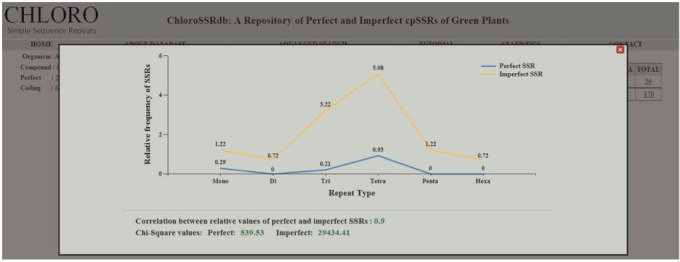
Additionally, in every species statistical analyses have been carried out to calculate relative frequency, correlation coefficient and chi-square statistics of perfect and imperfect SSRs. In accordance with the rising curiosity in SSR research, ChloroSSRdb will show to be a helpful useful resource in growing genetic markers, phylogenetic evaluation, genetic mapping, and many others. Moreover, it would function a prepared reference for mined SSRs in out there chloroplast genomes of green vegetation.

ChloroSSRdb: a repository of perfect and imperfect chloroplastic simple sequence repeats (cpSSRs) of green plants.

SpliceProt: a protein sequence repository of predicted human splice variants.

The mechanism of various splicing within the transcriptome might improve the proteome range in eukaryotes. In proteomics, a number of research goal to make use of protein sequence repositories to annotate MS experiments or to detect differentially expressed proteins.

However, the out there protein sequence repositories should not designed to totally detect protein isoforms derived from mRNA splice variants. To foster data for the sphere, right here we introduce SpliceProt, a new protein sequence repository of transcriptome experimental knowledge used to research for putative splice variants in human proteomes. Current model of SpliceProt comprises 159 719 non-redundant putative polypeptide sequences.

The evaluation of the potential of SpliceProt in detecting new protein isoforms ensuing from various splicing was carried out through the use of publicly out there proteomics knowledge. We detected 173 peptides hypothetically derived from splice variants, which 54 of them should not current in UniprotKB/TrEMBL sequence repository.

In comparability to different protein sequence repositories, SpliceProt comprises a higher quantity of distinctive peptides and is ready to detect extra splice variants. Therefore, SpliceProt gives a resolution for the annotation of proteomics experiments relating to splice isofoms.

DOR – a Database of Olfactory Receptors – Integrated Repository for Sequence and Secondary Structural Information of Olfactory Receptors in Selected Eukaryotic Genomes.

DOR - a Database of Olfactory Receptors - Integrated Repository for Sequence and Secondary Structural Information of Olfactory Receptors in Selected Eukaryotic Genomes.

Olfaction is the response to odors and is mediated by a class of membrane-sure proteins known as olfactory receptors (ORs).

An understanding of these receptors serves as a good mannequin for primary sign transduction mechanisms and additionally gives essential clues for the methods adopted by organisms for their final survival utilizing chemosensory notion in search of meals or protection in opposition to predators.

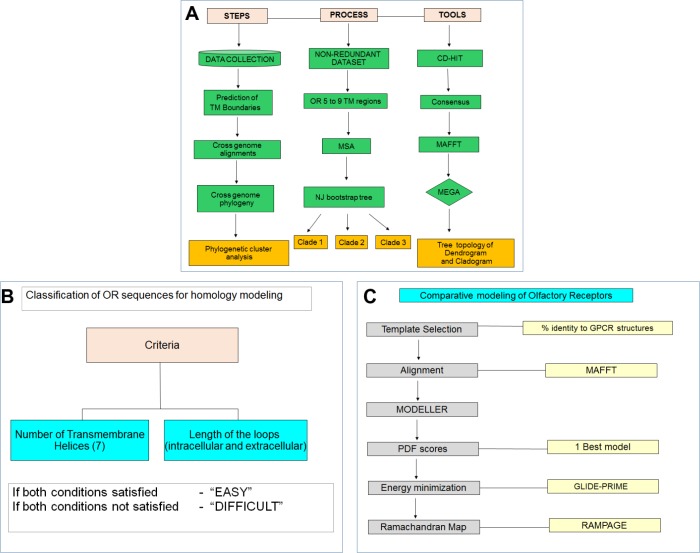
Prior analysis on cross-genome phylogenetic analyses from our group motivated the addressal of conserved evolutionary traits, clustering, and ortholog prediction of ORs.

The database of olfactory receptors (DOR) is a repository that gives sequence and structural info on ORs of chosen organisms (akin to Saccharomyces cerevisiae, Drosophila melanogaster, Caenorhabditis elegans, Mus musculus, and Homo sapiens).

Users can obtain OR sequences, examine predicted membrane topology, and receive cross-genome sequence alignments and phylogeny, together with three-dimensional (3D) structural fashions of 100 chosen ORs and their predicted dimer interfaces.

Inbred Strain Variant Database (ISVdb): A Repository for Probabilistically Informed Sequence Differences Among the Collaborative Cross Strains and Their Founders.

The Collaborative Cross (CC) is a panel of just lately established multiparental recombinant inbred mouse strains.

For the CC, as for any multiparental inhabitants (MPP), efficient experimental design and evaluation profit from detailed data of the genetic variations between strains. Such variations might be instantly decided by sequencing, however till now entire-genome sequencing was not publicly obtainable for particular person CC strains. An various and complementary strategy is to deduce genetic variations by combining two items of info: probabilistic estimates of the CC haplotype mosaic from a customized genotyping array, and probabilistic variant calls from sequencing of the CC founders.

The computation for this inference, particularly when carried out genome-huge, might be intricate and time-consuming, requiring the researcher to generate nontrivial and doubtlessly error-susceptible scripts.

To present standardized, simple-to-entry CC sequence info, we now have developed the Inbred Strain Variant Database (ISVdb).

The ISVdb gives, for all of the exonic variants from the Sanger Institute mouse sequencing dataset, direct sequence info for CC founders and, critically, the imputed sequence info for CC strains.

Notably, the ISVdb additionally: (1) gives predicted variant consequence metadata; (2) permits fast simulation of F1 populations; and (3) preserves imputation uncertainty, which can permit imputed knowledge to be refined in the longer term as further sequencing and genotyping knowledge are collected. .

At least 1 in 20 16S rRNA sequence records currently held in public repositories is estimated to contain substantial anomalies.

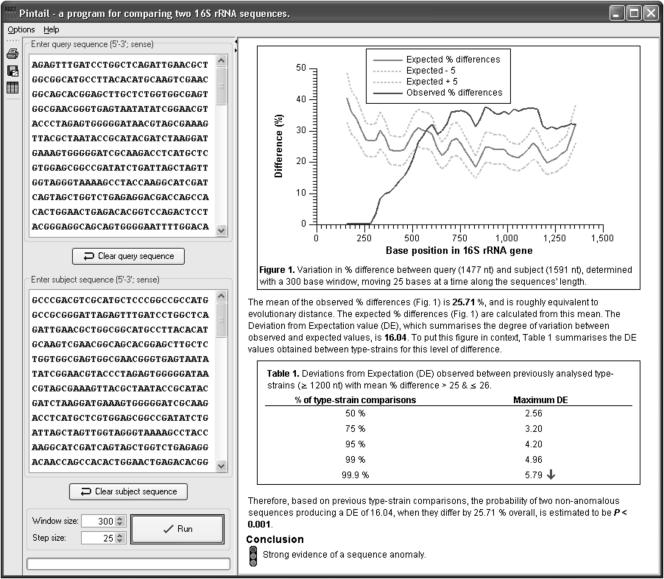
A brand new methodology for detecting chimeras and different anomalies inside 16S rRNA sequence records is offered.

Using this methodology, we screened 1,399 sequences from 19 phyla, as outlined by the Ribosomal Database Project, launch 9, replace 22, and located 5.0% to harbor substantial errors. Of these, 64.3% had been apparent chimeras, 14.3% had been unidentified sequencing errors, and 21.4% had been extremely degenerate.

In all, 11 phyla contained apparent chimeras, accounting for 0.8 to 11% of the records for these phyla. Many chimeras (43.1%) had been shaped from parental sequences belonging to completely different phyla.

While most comprised two fragments, 13.7% had been composed of at least three fragments, usually from three completely different sources. A separate evaluation of the Bacteroidetes phylum (2,739 sequences) additionally revealed 5.8% records to be anomalous, of which 65.4% had been apparently chimeric. Overall, we conclude that, as a conservative estimate, 1 in each 20 public database records is possible to be corrupt.

Our outcomes help considerations lately expressed over the standard of the public repositories.

With 16S rRNA sequence information more and more enjoying a dominant function in bacterial systematics and environmental biodiversity research, it is very important that steps be taken to enhance screening of sequences prior to submission.

To this finish, we’ve got applied our methodology as a program with a simple-to-use graphic person interface that is able to operating on a variety of laptop platforms.

The program is known as Pintail, is launched beneath the phrases of the GNU General Public License open supply license, and is freely accessible from our web site at http://www.cardiff.ac.uk/biosi/research/biosoft/.

Multiple endocrine neoplasia sort 2 RET protooncogene database: repository of MEN2-associated RET sequence variation and reference for genotype/phenotype correlations.

Multiple endocrine neoplasia sort 2 (MEN2) is an inherited, autosomal-dominant dysfunction brought on by deleterious mutations inside the RET protooncogene. MEN2 RET mutations are primarily heterozygous, missense sequence adjustments discovered in RET exons 10, 11, and 13-16.

Our group has developed the publicly accessible, searchable MEN2 RET database to help in genotype/phenotype correlations, utilizing Human Genome Variation Society suggestions for sequence variation nomenclature and database content material. The MEN2 RET database catalogs all RET sequence variation related to the MEN2 syndromes, with related medical data.

Each database entry lists a RET sequence variation’s location inside the RET gene, genotype, pathogenicity classification, MEN2 phenotype, first literature reference, and feedback (which can contain data on different medical options, advanced genotypes, and extra literature references).

e MEN2 phenotype definitions had been derived from the International RET Mutation Consortium pointers for classification of MEN2 illness phenotypes. Although practically the entire 132 RET sequence variation entries initially cataloged in the database had been from literature experiences, novel sequence variation and up to date phenotypic data for any current database entry will be submitted electronically on the database web site.

The database web site additionally accommodates hyperlinks to chosen MEN2 literature critiques, gene and protein data, and RET reference sequences. The MEN2 RET database (www.arup.utah.edu/database/MEN2/MEN2_welcome.php) will function a repository for MEN2-associated RET sequence variation and reference for RET genotype/MEN2 phenotype correlations.

Hepatitis B virus (HBV) and Human immunodeficiency virus (HIV)

Intruduction

HD patients diagnosed with Hepatitis B virus (HBV) and Human immunodeficiency virus (HIV) disease or another cause of acute or chronic liver disease, patients on ATT or any hepatotoxic medications, patients on anti-HCV therapy or undergoing dialysis for acute renal failure and people diagnosed with HCV before the study period were not included in the research.

Hepatitis B

For individuals using HBeAg-positive chronic hepatitis B in whom seroconversion doesn’t occur but HBV DNA is fully suppressed on treatment, continued normalization of their ALT and sustained HBV DNA suppression are the only markers of effective treatment and the absence of antiviral immunity, as detected in HBeAg-negative hepatitis. Adults who have chronic HBV infection have a 15 to 20% risk of dying in HBV-related liver disorder such as liver cirrhosis or hepatocellular carcinoma (HCC).

Comparison

In adolescence, 3 to 5 percent and 0.01 to 0.03% of patients having chronic HBV infection develop cirrhosis and HCC, respectively.

Although host factors (e.g., male sex, older age, African or Asian ancestry, and family history of HCC) and viral factors (e.g., higher viral load, HBV genotype, longer duration of infection, and co-infection with hepatitis C virus, human immunodeficiency virus, or hepatitis D virus) are known risk factors for HCC 3, predicting that chronic HBV-infected kids ought to be treated is difficult.


Background

Hepatitis C virus (HCV) -HBV coinfection is a significant health issue with rapid progression of liver disease without precise identification and therapy. All anti-HCV positive results need to be verified by detecting HCV RNA levels (viral load) from the blood, commonly using the PCR procedure 5 False-negative speed of anti-HCV is often greater among HD patients (≤12 percent ), for example as lipoic acid testing (NAT) is much more warranted for its dialysis patients In a study by Tashkandy et al. 7, they discovered the false correlation of HCVAb by ELISA and recombinant immunoblot assay, when compared with real-time (RT) -PCR, was 3.9 percent, whereas assessing ELISA with RT-PCR, the false positivity was 5.9 percent. Therefore the screening method is determined based upon the incidence of HCV disease in the various dialysis centre. Fattovich et al. 18), who studied the progression of chronic hepatitis B by followup biopsies, showed the bad prognosis of anti-HBe-positive and serum-HBV-DNA-negative (by dot blot) patients with chronic hepatitis B. However, they did not suggest the fair explanation for the cause of advanced liver disease in these patients.
Hepatitis C virus (HCV), a single-stranded enveloped RNA virus belonging to the flaviviridae family, is a globally significant pathogen, infecting over 170 million people worldwide with about one million new cases being reported annually.1,2 In India, approximately 15 million people are positive for anti-HCV radicals with reported prevalence of HCV approximately 15-20% in chronic liver diseases (CLD) patients.3 Published statistics from Brazil showed that around 1.5% of the Brazilian population is anti-HCV optimistic,4 compounding it into the current inhabitants, the HCV disease burden can be estimated to be around 2.86 million. Total recovery from acute hepatitis C, which is defined by sustained clearance of HCV RNA and normalization of the transaminase level, appears to happen spontaneously in 30%-50% of cases of non–transfusion-associated acute hepatitisnonetheless, antiviral therapy is still recommended to decrease the risk of progress toward chronicity 1, 2 This retrieval, achieved with or without antiviral therapy, may be accompanied by a gradual loss of antibodies to various HCV proteins also, sometimes, by complete seroreversion 3, 4 Yet, the absence of HCV seroconversion in patients with severe hepatitis C has seldom been discovered, particularly using sensitive third-generation serological assays.

  1. Lee H-S Kim W, Kim CY. Relative role of hepatitis C virus and hepatitis B virus in HBsAg-negative patients with chronic liver disease in Korea: Determination of serum HBV DNA of serum anti-HCV using ELISA and using polymerase chain reaction. Even more than 95-99% of adults with acute HBV infection recover spontaneously and display anti-HBs antibody seroconversion a subset of patients can develop liver failure and, consequently, may gain from NA therapy. Serum HBeAg concentration is correlated with virus load in patients and reflects virus replication and hepatitis activity. But following seroconversion, many patients may exhibit reactivation and high viral load. In these scenarios, HBeAg is generally negative because of masking by anti-HBe antibody. Although the HBeAg/anti-HBe immune complex can be detected according to the levels of alanine aminotransferase (ALT) and HBV-DNA. Therefore, HBcAg and HBeAg might be expected to be efficient markers of virus load when dinosaurs had been inactivated and the antigens released.
    IL10 promoter and IL28B polymorphisms have been reported to be associated with HBV infection control 5, 6, 26 Genetic variations of their IL-10 gene promoter (IL-10-819 and −592) were correlated with disease progression in adult patients with chronic HBV disease 5 In addition, genetic variations of this IL-10 gene promoter (IL-10-592) were correlated with a greater risk of persistent HBV infection in adults 6 A pediatric study in Taiwan revealed the IL-10-1082 genotype GG and IL-12-10993 genotype CG, which influence the serum levels of IL-10 and IL-12, were correlated with premature spontaneous HBeAg seroconversion 8 Nevertheless, this study failed to reveal a significant association between early HBeAg seroconversion and cytokine genetic variations. The European principles for kids with chronic HBV infection urge basing the decision to begin treatment on ALT levels, HBeAg positivity, HBV-DNA levels, liver histology, family history of HCC, co-existing liver disease, and the patient’s treatment history 2 In particular, HBeAg-seroconversion is generally accompanied with the remission of liver disease and exerts a positive outcome in children as well as adults.
    By combining the molecular examination to determining the genotype of hepatitis C virus and viral load using q-PCR and ELISA way of exploring the core HCV (HCVcAg) antigen, this study can function as publication alternate to prevent the infection of HCV lead to cirrhosis as well as hepatocellular carcinoma. ALT is found in the cytosol, as a liver enzyme widely used as an indicator of hepatocellular damage in chronic and acute hepatitis 16 – 18 The goal of this study was to identify the viral load correlation with the number of HCV core antigen and aminotransferase levels in HCV infection.
    This patient could have been identified as having viral disease due to his clinical symptoms; however, the vast majority of patients with newly acquired HCV infection don’t present with symptoms and may not be diagnosed 8 This novel case report describing HCV seroconversion after a bloody altercation in prison has important clinical and public health implications for correctional facilities, in which the prevalence of HCV disease is ∼20 times that of the general US population 2 Though the transmission danger following a needlestick exposure is estimated to be 2%-3%, the risk of HCV acquisition via a bloody altercation is unknown. The level of the serum HBV DNA in such patients with ALT flare in chronic hepatitis B can be happened in patients experiencing an antiviral therapy with the HBV genome’s resistant using a pre-core/core-promoter or to the broker mutation. Despite carrying rigorous infection-control measures designed to prevent transmission of blood-borne pathogens including HCV from the treating facility along with the Hospital Infection Control committee, 29 of the overall 123 samples (23.5%) which were seronegative and had a normal ALT level were positive with PCR Table 1 These positive samples led to 50.9percent of the Group 1 cases Table 3 Of these, 68.9% had a high viral count at the time of screening in spite of their normal ALT levels and seronegative status Table 3 It is known that mysterious HCV infections, (relating to patients infected chronically with HCV but are seronegative and have a positive HCV RNA) additionally reduces the sensitivity of serology in the diagnosis of HCV disease.

Hepatitis B Research

Will we need novel combinations to cure HBV infection?

Journal: Liver international : official journal of the International Association for the Study of the Liver

Feb/20/2020


Chronic hepatitis B is a numerically important cause of cirrhosis and hepatocellular carcinoma. Nucleoside analogue therapy may modify the risk. However, maintenance suppressive therapy is required, as a functional cure (generally defined as loss of HBsAg off treatment) is an uncommon outcome of antiviral treatment. Chronic hepatitis B is a numerically important cause of cirrhosis and hepatocellular carcinoma. Nucleoside analogue therapy may modify the risk. However, maintenance suppressive therapy is required, as a functional cure (generally defined as loss of HBsAg off treatment) is an uncommon outcome of antiviral treatment. Currently numerous investigational agents being developed to either interfere with specific steps in HBV replication or as host cellular targeting agents, that inhibit viral replication, and deplete or inactivate cccDNA, or as immune modulators. Synergistic mechanisms will be needed to incorporate a decrease in HBV transcription, impairment of transcription from HBV genomes, loss of cccDNA or altered epigenetic regulation of cccDNA transcription, and immune modulation or immunologically stimulated hepatocyte cell turnover. Nucleoside analogue suppressed patients are being included in many current trials. Trials are progressing to combination therapy as additive or synergistic effects are sought. These trials will provide important insights into the biology of HBV and perturbations of the immune response, required to effect HBsAg loss at different stages of the disease. The prospect of cures of hepatitis B would ensure that a wide range of patients could be deemed candidates for treatment with new compounds if these were highly effective, finite and safe. Withdrawal of therapy in short-term trials is challenging because short-term therapies may risk severe hepatitis flares, and hepatic decompensation. The limited clinical trial data to date suggest that combination therapy is inevitable.
Geoffrey Dusheiko


The effect of tenofovir disoproxil fumarate on bone mineral density: a systematic review and meta-analysis.

Journal: Antiviral therapy

Februar/20/2020


We conducted a systematic review and meta-analysis (CRD#42017070552) to quantify the impact of oral TDF/FTC on bone mineral density (BMD), and the risk of osteoporosis, low bone mass, and fractures, among people taking it as PrEP, HIV treatment and hepatitis B (HBV) treatment.We searched MEDLINE and EMBASE for randomized controlled trials published 1997-2018 reporting BMD, osteoporosis, low bone mass, and/or fractures in treatment-naïve patients taking compared to not taking TDF for 48±4 weeks. We pooled outcomes using DerSimonian random-effects models.
RESULTS
Our search yielded 5178 abstracts, representing 3865 articles, with 25 meeting the inclusion criteria. TDF was associated with greater BMD decline when taken as PrEP (lumbar spine: mean difference, MD=-0.82%, 95%CI=-1.28,-0.37%, I2=38%; total hip: MD=-0.81%, 95%CI=-1.22,-0.40%, I2=48%) and HIV treatment (lumbar spine: MD=-1.62%, 95%CI=-2.30,-0.95%, I2=93%; total hip: MD=-1.75%, 95%CI=-2.08,-1.42%, I2=83%; femoral neck: MD=-1.26%, 95%CI=-2.15,-0.38%, I2=43%) in comparison to those not taking TDF. Eight studies reported on incident osteoporosis or low bone mass, with variable results. Pooled results from five PrEP studies showed that TDF was not associated with increased fractures compared to no PrEP (RR=1.12, 95%CI=0.752,1.74, I2=26%).
TDF caused greater decreases in BMD than did comparators when used for all three indications, and the magnitude of this decrease was larger for HIV treatment compared to PrEP. Fractures were not increased among PrEP patients. The clinically-significant BMD decline caused by TDF and current expansion of PrEP use suggest attention to the adverse bone effects of TDF will increase in importance.
Benjamin Baranek; Shaoyuan Wang; Angela Cheung; Sharmistha Mishra; Darrell Tan


Immune Therapies

Journal: Humana Press

Februar/20/2020
Hepatocellular carcinoma (HCC) is considered an inflammation-induced cancer as it often develops in the setting of chronic hepatitis. Therefore, the application of immune-based therapies may provide an ideal approach to treatment. As a matter of fact, hepatitis B vaccination can be seen as the first preventive cancer vaccine for HCC. The recent approval of nivolumab as second-line therapy for patients with advanced HCC has been the pinnacle of years of research and clinical trials in the application of immunotherapies to patients with HCC. The liver, unlike most organs, has an immune-tolerant microenvironment due to its high antigen exposure from the gut which is often coupled with chronic immune stimulation from confounding liver disease. As a result, efforts to understand HCC antigens as well as the tumor microenvironment has enabled advances in the application of immunotherapies to HCC. Immune-based therapies can be categorized as checkpoint inhibitors, adoptive cell transfer, cytokine-based therapy, and vaccines. In this chapter, we discuss the application of different immunotherapies to HCC.
Zachary Brown; Tim Greten